
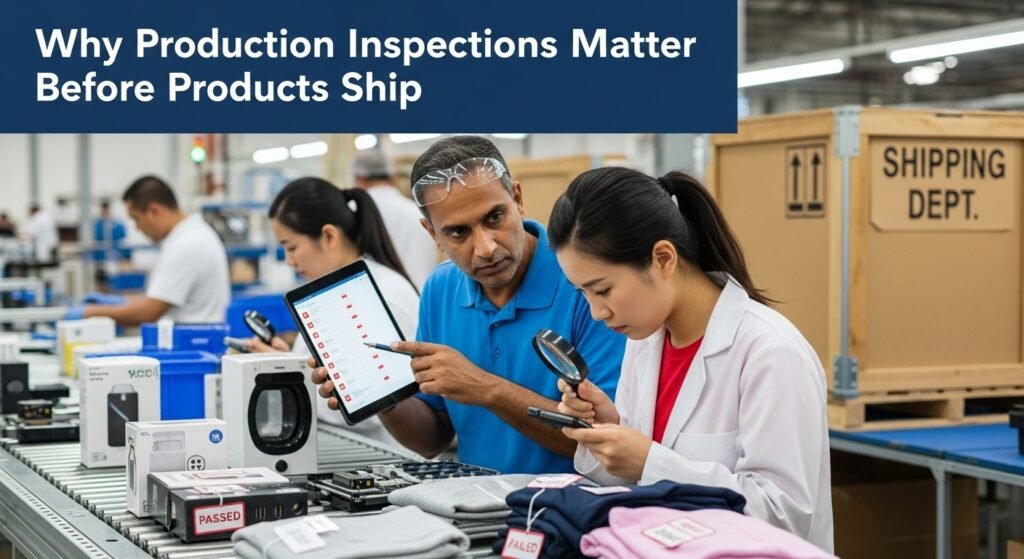
In today’s fast-moving global marketplace, businesses are under constant pressure to deliver high-quality products quickly, consistently, and cost-effectively. With manufacturing increasingly spread across borders, the gap between production and delivery has widened, making oversight more challenging than ever. This is precisely why Production Inspections have become a critical part of modern manufacturing and global trade. Before products ship, inspections act as a safeguard that protects brands, customers, and supply chains from costly mistakes that can damage reputation and profitability.
As competition intensifies and customer expectations rise, companies can no longer afford to rely solely on trust or assumptions during the manufacturing process. Ensuring that products meet specifications, compliance standards, and quality benchmarks before they leave the factory is not just good practice—it is a business necessity.
The Growing Importance of Production Inspections in Global Trade
Globalization has transformed how products are made and delivered. Manufacturers often operate thousands of miles away from the brands they serve, creating a lack of direct visibility into daily operations. This distance introduces risks related to product quality, timelines, and regulatory compliance. Production Inspections bridge this gap by providing on-the-ground verification at key stages of manufacturing, ensuring that issues are identified and corrected early.
Before products ship, inspections help confirm that raw materials, components, and finished goods align with agreed requirements. Without this layer of quality control, businesses may discover defects only after products reach their destination, leading to returns, recalls, and strained customer relationships. In an era where online reviews and social media feedback spread instantly, a single quality failure can have long-term consequences.
Before Products Ship: A Critical Window for Quality Control
The phase before products ship is the final opportunity to verify that everything is in order. Once goods leave the factory, the cost and complexity of fixing problems increase dramatically. Pre-shipment checks ensure that quantities are correct, packaging is appropriate, labeling meets regulatory requirements, and products function as intended.
Effective Quality Control during this stage protects companies from shipping non-conforming goods that could violate import regulations or fail customer expectations. It also reinforces accountability within the manufacturing process, encouraging suppliers to maintain consistent standards rather than rushing production to meet deadlines.
Protecting Product Quality Through Inspections
At the heart of every inspection is the goal of preserving Product Quality. Quality is not just about aesthetics; it encompasses performance, durability, safety, and compliance. When inspections are conducted properly, they help verify that products match approved samples and technical specifications.
Many quality issues stem from subtle deviations in materials or workmanship that are not immediately visible. Defect Detection during inspections helps identify these issues before they escalate into larger problems. By catching defects early, businesses avoid distributing flawed products that could harm users or lead to legal complications.
Strengthening the Manufacturing Process
A well-structured inspection program contributes to a more disciplined Manufacturing Process. Inspections are not merely about finding faults; they also provide valuable feedback to factories. Over time, this feedback helps manufacturers refine workflows, improve training, and reduce error rates.
When suppliers know that inspections are routine and thorough, they are more likely to adhere to agreed procedures and timelines. This consistency leads to fewer surprises, smoother production cycles, and stronger long-term partnerships between buyers and suppliers.
The Role of Pre-Shipment Inspection in Risk Prevention
A Pre-Shipment Inspection is one of the most effective tools for Risk Prevention in international trade. It ensures that finished goods are ready for shipment and comply with contractual, regulatory, and quality requirements. Without this step, businesses risk receiving products that cannot be sold or distributed legally.
Inspections also help prevent financial losses associated with rework, storage, and reshipping. By verifying quality before dispatch, companies reduce the likelihood of disputes with suppliers and minimize the hidden costs that often arise from poor quality management.
Factory Inspection and Compliance Standards
Beyond checking finished goods, a Factory Inspection evaluates whether production facilities meet required Compliance Standards. This includes assessing working conditions, production capacity, quality systems, and adherence to local and international regulations.
Compliance is especially important for industries subject to strict safety or environmental rules. Failure to meet these standards can result in penalties, shipment delays, or bans from certain markets. Regular inspections provide assurance that suppliers are operating responsibly and in line with expectations.
Enhancing Quality Assurance Across the Supply Chain
Quality Assurance is not a single event but an ongoing process that spans the entire Supply Chain. Production inspections play a vital role in maintaining consistency from raw materials to final delivery. When inspections are integrated into supply chain management, they create transparency and accountability at every stage.
This visibility allows businesses to identify weak points, address recurring issues, and make data-driven decisions about supplier performance. Over time, a strong inspection program leads to a more resilient supply chain that can adapt to disruptions and changing market demands.
Cost Reduction Through Early Detection
While inspections require an upfront investment, they often result in significant Cost Reduction over the long term. Catching defects before shipment is far less expensive than handling returns, replacements, or recalls after products reach customers.
Inspections also reduce indirect costs such as reputational damage, lost sales, and strained supplier relationships. By preventing problems rather than reacting to them, businesses can allocate resources more efficiently and maintain healthier profit margins.
Building Customer Satisfaction and Brand Trust
Ultimately, the success of any business depends on Customer Satisfaction. Customers expect products that work as promised, arrive on time, and meet quality expectations. When inspections ensure consistency and reliability, customers are more likely to trust the brand and become repeat buyers.
In competitive markets, quality can be a key differentiator. Companies that invest in inspections demonstrate a commitment to excellence that resonates with customers and strengthens brand loyalty.
The Logistics Connection: Inspections and Global Shipping
Production inspections are closely linked to logistics and international shipping. Once goods pass inspection, they move into complex transportation networks that require coordination and expertise. Companies like Adam Sourcing help bridge the gap between manufacturing and logistics by supporting businesses that rely on shipping china to usa, working with a reliable shipping company in usa, and coordinating with a trusted shipping agent china to usa to ensure goods move smoothly after inspection. Their experience with air freight from china to usa and shipping from china to usa allows inspected products to reach markets efficiently, while businesses exploring e-commerce benefit from connections to dropshipping suppliers usa and even free dropshipping suppliers usa. By collaborating with freight forwarding companies in china, sourcing unique source products and services, and identifying the cheapest shipping from china to usa, companies can align quality assurance with logistics efficiency. This integrated approach, supported by some of the best freight forwarders china to usa, ensures that products that pass inspection are delivered reliably, whether businesses are shipping outbound or evaluating the best way to ship to china for return or redistribution.
Why Production Inspections Matter More Than Ever
Several factors have amplified the importance of inspections in recent years. Supply chain disruptions, rising raw material costs, and increasing regulatory scrutiny have made quality failures more expensive and more visible. At the same time, consumers are less forgiving of defects and delays.
Production Inspections provide a proactive response to these challenges. They help businesses maintain control in uncertain environments and adapt to changing conditions without compromising standards. In a world where speed often competes with quality, inspections ensure that neither is sacrificed.
Choosing the Right Inspection Partner
Selecting a reliable inspection partner is critical. Experienced providers understand local manufacturing practices, international standards, and industry-specific requirements. Adam Sourcing, for example, supports businesses by offering structured inspection solutions that align with production timelines and quality goals. Their approach emphasizes transparency, communication, and consistency, helping brands navigate complex manufacturing environments with confidence.
A good inspection partner does more than check boxes; they act as an extension of your quality team, providing insights that drive continuous improvement.
Long-Term Value of Inspection Programs
The true value of inspections becomes evident over time. As data accumulates, businesses can identify trends, evaluate supplier performance, and refine sourcing strategies. This long-term perspective transforms inspections from a reactive measure into a strategic asset.
By embedding inspections into procurement and supply chain planning, companies create a culture of quality that benefits every stakeholder, from factory workers to end customers.
Conclusion
Before products ship, the decisions made during production inspections can determine success or failure in the marketplace. From protecting product quality and ensuring compliance standards to reducing costs and enhancing customer satisfaction, Production Inspections are more than a checkpoint—they are a foundation for sustainable growth.
In an increasingly complex global economy, businesses that prioritize inspections gain a competitive edge. They deliver better products, build stronger supply chains, and earn the trust of customers worldwide. As expectations continue to rise, one thing is clear: production inspections matter more than ever, and companies that recognize this will be better positioned for long-term success.